The easiest way to teach kids to be kind to animals is to help them notice animals first, then model gentle behavior, and keep a few simple rules about wildlife. You don’t need a farm, a pet, or a wildlife park to do it. A backyard, a park, and a few minutes of quiet looking are enough.
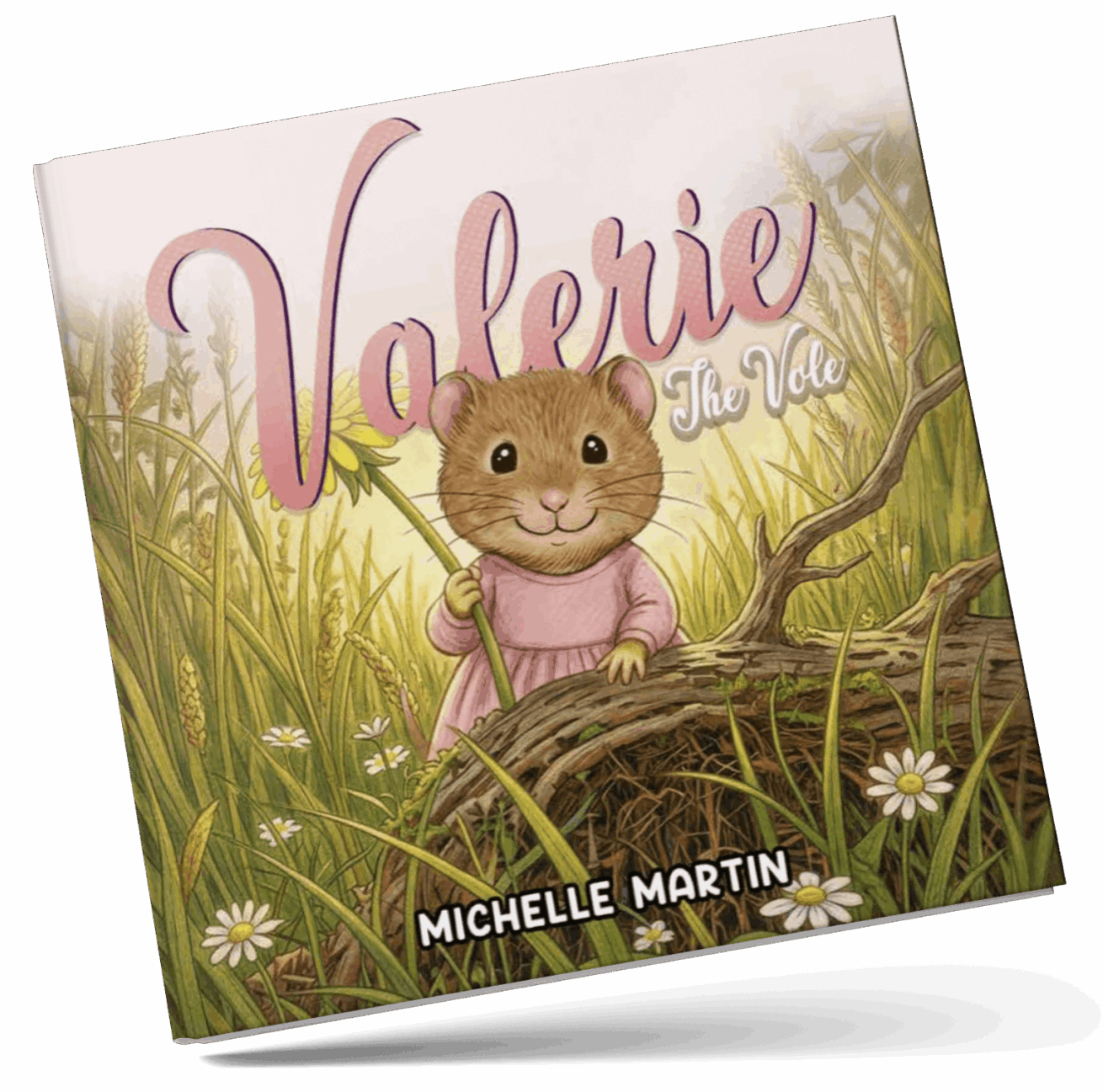
I learned this by accident. When my son was three, small trails started appearing in our yard, and they turned out to belong to voles. Many gardeners would call voles pests, and I understand why, because they nibble on plants and roots. But my son wanted to know who made the trails, where they went, and whether the little animal was lonely. That curiosity stuck with me, and years later it became my picture book, Valerie the Vole.
This guide shares practical, low-pressure ways to teach children respect and kindness toward animals, wildlife, and even the creatures we usually shoo away.
Why Teaching Kindness to Animals Starts With Noticing
Kids can’t care about something they never see. A child who has watched a squirrel bury a nut, followed a line of ants, or spotted tiny tracks in the snow is more likely to think of animals as living creatures with their own needs.
That’s why the first step isn’t a lecture on being nice. It’s helping your child pay attention. Once children notice, kindness usually follows more naturally, and you can build on it with simple rules and habits.
Start With Three Simple Rules for Kids
Young children do best with short, repeatable rules. These three cover most situations with wild animals:
- Look, don’t touch. We watch wild animals from a distance. This keeps both the child and the animal safe.
- Use quiet voices and slow feet. Animals are scared by loud noises and sudden moves.
- Ask a grown-up. If we find an animal that looks hurt or alone, we get an adult.
Practice them like a game. Before a walk, ask, “What are our three animal rules?” A short chant works for toddlers, and older kids can explain the reasons themselves.
What Kindness to Animals Looks Like by Age
| Age | What to focus on | Example |
| 2–3 | Gentle hands and gentle words | Practicing “soft touches” on a stuffed animal; pointing at a bird without chasing it |
| 4–5 | Noticing and caring about animal needs | Asking, “What does this animal eat? Where does it sleep?” |
| 6–7 | Understanding why and taking action | Putting out a shallow water dish, joining a nature cleanup, or learning which animals live nearby |
Every child is different, so treat these as rough guides.
8 Practical Ways to Teach Children Kindness and Respect for Wildlife
1. Take a quiet “animal watching” walk
Set a timer for five minutes. Sit still outside and see how many animals or animal signs you can spot. Look for birds, bugs, squirrels, or tiny paths in the grass. Afterward, ask, “What do you think that animal was doing?” This builds attention and empathy at the same time.
2. Imagine the animal’s point of view
Ask simple questions: “How do you think the squirrel feels when it hears us?” “Where do you think that little animal sleeps?” You are not asking for scientific answers. You are helping children practice thinking about another creature’s experience, which is the heart of empathy.
3. Learn about the animals in your own yard
Choose one local animal and look up three facts about it, using a library book or a wildlife agency website. Draw it, build a pretend habitat, or look for its signs on your next walk. Knowing real facts about an animal makes it harder to see it as just a nuisance.
4. Help animals in small, safe ways
You can help without touching or feeding wildlife. Try:
- Setting out a shallow dish of fresh water for birds and insects
- Leaving a corner of the yard a little wild, with leaves and native plants
- Picking up litter that could harm animals
- Planting flowers that bees and butterflies like
These small actions teach children that kindness is something you do, not just something you say.
5. Read stories about animals together
Picture books are a gentle way to talk about feelings, and animal characters are a wonderful bridge. In Valerie the Vole, a small vole who is easy to overlook keeps finding new ways to reach out to a boy named Evan. After reading, you might ask, “How do you think Valerie felt when Evan didn’t see her?” or “What would you do if you were Evan?”
Other good choices include Vole and Troll by Iza Trapani, which shows how clever kindness and music can turn a scary situation into a friendship, and Sam Vole and His Brothers by Martin Waddell, a gentle story about family. You can find more in my reading list of children’s books about voles.
One small note: in stories, animals often talk and wear clothes. It’s worth reminding your child, “That’s pretend. Real voles don’t talk, but they do build tunnels and look for food.” That keeps the fun and the facts both in the picture.
6. Show kindness toward the small and “annoying” creatures
Children watch how we react to spiders, ants, and mice. If we scream and squash, they learn one lesson. If we say, “Let’s carry that spider outside,” they learn another. You can model calm reactions even if you aren’t a fan of bugs yourself.
The same goes for animals we think of as garden pests. Voles, for example, can nibble on plants, and protecting your vegetables is a perfectly reasonable thing to do. But we can talk about it honestly: “Voles are just looking for food. We can protect our plants and still be respectful.” Your local extension office or wildlife agency can suggest humane ways to protect gardens.
7. Teach what to do when you find a hurt or baby animal
This is one of the most useful lessons, because kids often want to help right away. Teach them:
- Don’t pick it up. Get a grown-up.
- Baby animals that look alone are often not abandoned, because a parent may be nearby.
- Adults can call a local wildlife rehabilitator or animal control for advice.
- Keep pets and other children away.
- Wash hands after any contact with wildlife or outdoor items.
This gives children a sense of purpose that is also safe.
8. Be a role model
Children copy us. When they see us pause for ducks to cross the road, put a worm back on the grass, or talk quietly near a bird’s nest, they absorb it. You don’t have to do everything perfectly. A short “Oops, I wasn’t being gentle, let me try again” shows kids how to learn from mistakes.
Do’s and Don’ts for Teaching Kids About Wildlife
| Do | Don’t |
| Watch from a distance | Chase, grab, or corner animals |
| Use gentle words and calm voices | Laugh at or tease animals |
| Ask a grown-up before helping | Pick up baby or injured animals |
| Learn real facts alongside stories | Assume animals are all “nice” or all “bad” |
| Wash hands after being outdoors | Feed wild animals without checking local guidance |
Why Even “Pests” Deserve Respect
Most of the animals we call pests aren’t doing anything wrong. They are looking for food and shelter, just as we are. Teaching a child to see that doesn’t mean ignoring real problems like chewed plants or mice in the kitchen. It means teaching kids a balanced idea: we can solve problems without being cruel, and every living thing has needs.
That’s the heart of Valerie the Vole. Valerie is a creature many people would never think to befriend, and the story asks readers to imagine what a small animal might feel and want. It’s a small step from there to asking the same questions in the backyard.
Activity: Make a “Who Lives Here?” Wildlife Map
Here is a quick activity for ages 3 to 7.
You’ll need: paper, crayons, and a yard, park, or even a window.
- Draw a simple map of the area.
- Walk or look around for five minutes and mark where you spot animals or signs of animals, like holes, trails, feathers, or tracks.
- Give each animal a name, and draw what you think it needs: food, water, a place to sleep.
- Ask, “What could we do to be good neighbors to these animals?”
Keep the map and add to it through the seasons. It becomes a lovely record of what’s living nearby.
Frequently Asked Questions
How do I teach my child to be kind to animals?
Start by helping them notice animals, then model gentle behavior and set simple rules like “look, don’t touch.” Reading animal stories, learning real facts, and taking small helpful actions like putting out water all reinforce the lesson over time.
At what age can children learn to be kind to animals?
Toddlers can begin practicing gentle touches and soft voices around two or three. Older preschoolers can start understanding animal needs, and early elementary children can take simple helping actions and learn why wildlife should be respected.
How do I teach kids to respect wildlife?
Teach children to observe from a distance, stay quiet, never chase or feed wild animals, and ask an adult for help if they find a hurt or baby animal. Modeling these habits yourself is the most powerful teacher.
What should kids do if they find an injured animal?
They should not touch it. They should tell a grown-up, who can call a local wildlife rehabilitator or animal control for advice. Keeping pets and children away and washing hands afterward helps everyone stay safe.
Are voles pests?
Voles can nibble on garden plants and roots, so gardeners often treat them as pests. They are also small animals looking for food and shelter, and a local extension office can suggest humane ways to protect plants.
What books teach kids kindness toward animals?
Stories like Valerie the Vole, Vole and Troll, and Sam Vole and His Brothers open conversations about friendship, empathy, and imagination. Pair them with realistic animal books so children enjoy the story and learn real facts too.
Final Thoughts
Teaching kindness to animals doesn’t need to be complicated. A few quiet minutes outside, a gentle rule or two, and a story about a small creature with a big heart can go a long way. And the next time you see a trail in the grass, you might just find that your child wants to know who made it.
If you’d like to meet Valerie, you can learn more about the book here or read about how the story began. I’d love to hear how you teach kindness to animals in your family, and which animals your kids have befriended.